哈尔的移动城堡
Is the rapid growth of China’s emerging industries driven by industrial subsidies?: People’s Daily_我的网站

一 | – 文苑幼儿园开学通知-
新希望
新学期
– 我们开学啦 –
亲爱的宝贝和家长朋友们:
转眼间,快乐的寒假已经悄悄接近尾声,开学报到进入倒计时啦!我们由衷地祝福大家蛇年大吉,万事如意!现有一份2025年春季开学温馨提醒,请注意查收。让我们带着希望,带着憧憬,一起迎接新学期。
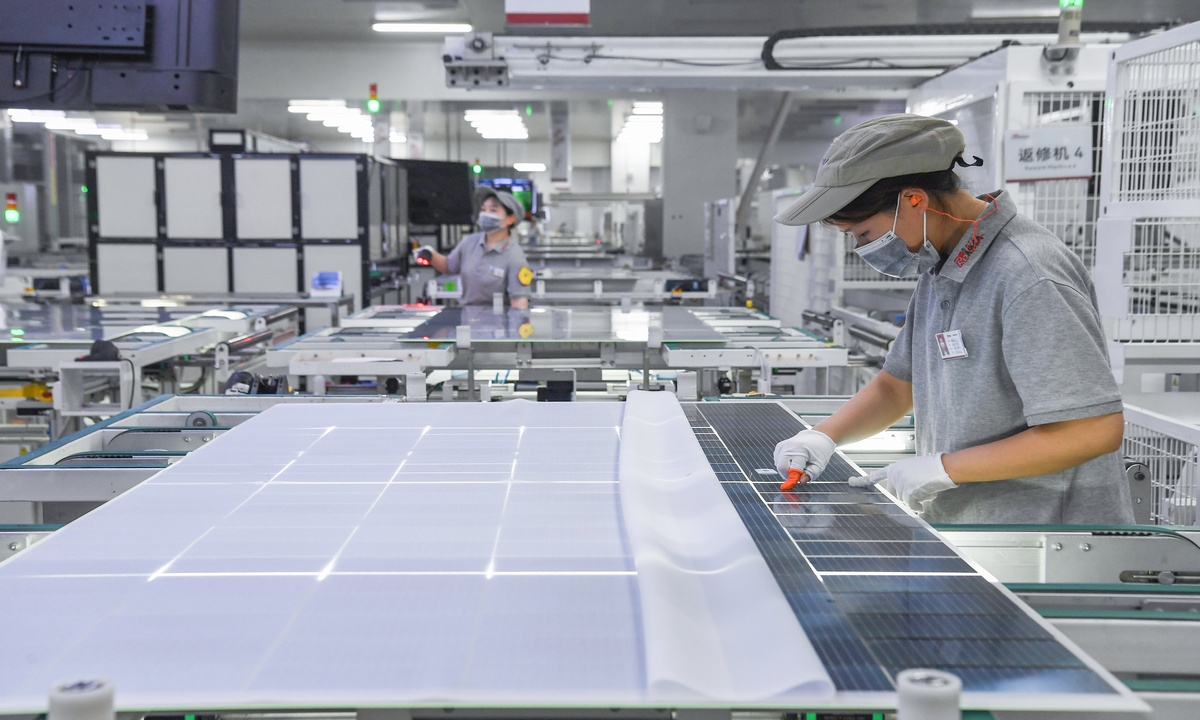
Workers assemble solar photovoltaic modules at a smart manufacturing workshop of Ronma Solar Energy Group in Jindong district of Jinhua city, East China's Zhejiang Province, on July 28, 2026. Photo: VCG
China saw robust exports in electric vehicles (EV), lithium batteries and photovoltaic products, known as the "new three," in the first half of this year. More notably, robotics, artificial intelligence (AI) and innovative drugs, which represent the future direction of industrial development, are also emerging as new calling cards for China's foreign trade.
However, the impressive performance provoked unease among some Western media outlets and politicians. Some have deliberately portrayed China's rapid industrial development and strong competitiveness as a result of government subsidies, pushing the false claim that subsidies have created overcapacity and those low-priced Chinese products are flooding global markets. Such fallacies, which simply equate industrial subsidies with overcapacity, are not only logically flawed but also factually groundless.
In practice, many countries adopt industrial policies tailored to their national conditions and development needs, such as providing research and development (R&D) subsidies for emerging industries and risk related subsidies for agriculture.
Well-designed industrial subsidies can help address market failures, promote technological innovation and environmental protection, reduce poverty and support balanced development, rather than cause so called "overcapacity."
Multiple reports by the United Nations Conference on Trade and Development have noted that the number of industrial policies worldwide has grown rapidly over the past five years, with R&D subsidies, tax incentives and low interest loans for emerging industries becoming common international practices.
Forcibly linking industrial subsidies to "overcapacity" is, in essence, a political manipulation based on double standards. The US, for example, plans to provide $750 billion in various subsidies from 2022 to 2031 under its Inflation Reduction Act. Subsidized EVs are subject to requirements such as production and sales in the US or North America, effectively excluding other WTO members. US industrial subsidies for AI are even greater than those of all other countries combined.
Similarly, according to incomplete statistics, the European Commission is expected to provide more than 1.44 trillion euros ($210 billion) in various subsidies between 2021 and 2030. The EU's Industrial Accelerator Act links local content directly to financial support through "Made in EU" requirements, creating serious investment barriers and institutional discrimination.
Have these massive subsidies been labeled as causing "overcapacity"? The answer is no. While claiming that China's industrial subsidies lead to so-called overcapacity, these countries are themselves providing massive subsidies to their own industries. Such double standards amount to selective accusations targeting China, aimed at politicizing trade and economic issues and weaponizing industrial policy.
At a deeper level, accusations that "China's industrial subsidies cause overcapacity" are merely a pretext, reflecting growing anxiety and fear over the rising competitiveness of Chinese industries.
Looking back at the repeated hype in Western media, the criticism has consistently targeted China's most globally competitive industries, including new-energy vehicles, photovoltaics and power batteries. This exposes the real intention of shifting the blame for their own lagging industrial development onto China while stepping up restrictions against Chinese industries.
China's breakthroughs in these industries have been driven by advances in homegrown technologies, complete industrial and supply chains, and robust market competition, rather than by policy subsidies as some have claimed.
In recent years, China has taken multiple steps to regulate and improve its subsidy policies, from reviewing and correcting inappropriate local subsidies to exploring a unified negative list mechanism for local fiscal subsidies. China applies subsidies equally to all market entities, including foreign invested enterprises, strictly follows WTO rules, and continues to improve the compliance, effectiveness and transparency of its subsidy policies.
Rather than fabricating and hyping baseless claims about subsidies and obsessing over building trade barriers, certain Western media outlets and politicians should focus on addressing their own weaknesses and increasing investment in research and development. They should embrace healthy market competition with an inclusive mindset, promote mutual benefit through greater openness, and win markets and drive progress through genuine innovation.
This was compiled and translated by the Global Times English edition based on an article published in the "Chisu Jinsheng" economic commentary column of the People's Daily on August 10, 2026.。

二 |
报到时间
2025年2月13日(星期四)
8:30—9:30
开学时间
2025年2月14日(星期五)
收心攻略 美好起航
调整生活作息
在假期中,孩子们拥有了更多自主探索和成长的空间,作息时间也随着假期的节奏灵活调整。为了帮助孩子们更从容地衔接即将到来的幼儿园生活,我们邀请您一同用温暖的方式,逐步将作息向幼儿园节奏靠拢。相信孩子们在您的陪伴和引导下,一定能以充满活力的状态迎接新学期的到来。
培养饮食习惯
为了孩子能顺利回归幼儿园生活,家长要帮助孩子尽快恢复正常的饮食习惯,三餐分配合理,清淡饮食,多吃蔬菜和水果,少吃零食,保证饮水量,少喝饮料。
关注家园合作
即便孩子在开学后依然有“假期综合症”的表现,家长们也不要着急,一方面积极引导孩子回到幼儿园生活轨道上来,另一方面要积极和老师进行沟通,让家庭和幼儿园有效地建立联系,一起帮助孩子在新的学期健康、快乐地成长。
蛇舞新春 温馨提示
01
遵守交通规则
上学路上请遵守交通规则。

三 | 幼儿乘坐汽车时需系安全带,骑乘电动自行车应戴安全头盔,不闯红灯、不逆向行驶、不骑机动车道、不翻越护栏等。
02
注意返程安全
在外地过节、旅游的家长请关注天气变化及路况信息,返回途中注意安全,请您及时关注班级信息,如果有特殊情况不能及时返园,请及时与班级教师联系。
03
做好传染病防控
近期,甲型流感疫情有所抬头,为了您和家人的健康,请务必加强防范。避免前往人群密集场所,减少不必要的聚集活动,保持良好的个人卫生习惯,勤洗手、戴口罩。一旦出现发热、咳嗽、咽痛等流感症状,请及时就医并确诊。如确诊为甲流,请遵循医嘱,积极配合治疗,切勿拖延。

四 | 让我们共同努力,做好个人防护,守护彼此健康,共筑安全防线。

五 | 健康你我他,防控靠大家!
04
防范网络诈骗
为了防范电信网络诈骗,请家长们务必注意:幼儿保育费用的缴纳及通知,请以班级钉钉群内的官方信息为准。对于来自其他非官方途径的任何通知或链接,请勿轻易点击,以免泄露个人信息或遭受经济损失。保持警惕,共同防范网络诈骗。
灵蛇献瑞,整装待发
1. 被褥:这两天天气晴朗,是晾晒被褥的好时机,建议大家将被子拿出来清洗晾晒,杀菌除螨。洗晒后请家长将被褥装进防潮袋,并在醒目位置写上幼儿班级与姓名,便于识别。在规定的时间送到幼儿园。

六 |
2. 衣着:可根据幼儿情况自行准备换洗的衣裤、袜子等。
灵蛇启智,晚托慧心
本学期我们将继续为有特殊需求的家庭提供看护服务,切实解决接送不能保障的家庭。结合幼儿园实际,我们将开展学后托管服务,具体安排如下:
服务时段
时段:
2025年2月24日-2025年6月20日
周一到周五(国定假日调整时间另定)
晚托班时间:16:30-17:30
服务对象
主要服务于接送有困难的幼儿。
服务内容
托管为主,以看护性质的基础性服务活动。

七 |
线上报名时间
2月14日中午12:00开始选课,到2月16日16:00停止报名。

八 |
2月17日中午12:00开启缴费,到2月19日16:00停止缴费。
关于报名
登陆:钉钉工作台
每一次成长,都是开启一段新的旅程。
每一次启航,都是跨越新的成长之阶。

九 |
愿每一位孩子:携爱成长,乘风破浪!
老师们期待你们的到来,欢迎回家!
文字/编辑 夕瑶于梦
初审 陶老师
终审 胡老师
幸福,就是天天沐浴在希望里。
Current article:http://vdqk.cesangrangshunzashuangruijiu.pics/edeax1/20260826/489030.html
Published on:10:32:55